
Speakers: Candace Baldes Ramos (CBR), Christina Higgins (CH) and Gisella/Sella Kahapea (SK)
Date: November 22, 2024
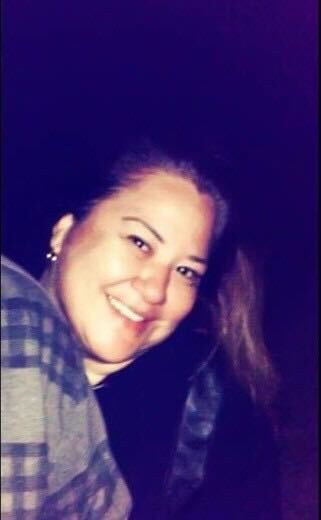
DD: Aloha, today is May 7, 2024, and we’re sitting in Kalapawai in Kapolei, talking story with my good sis from Honokaihale/Nanakai, sis Trace, so we just going be talking story about some of her memories growing up in Honokai and this and that. And so before we go any further, just wanna mahalo my sis plenny for sitting down talking story, it’s been a long time, overdue, so mahalo sis, and aloha.
TE: Aloha.
DD: K, so if we could start, maybe we could start with you saying your name, where/when you were born, where you grew up, where you went to school.
TE: Ok, my name is Tracey Ekau. I grew up [pause], I think I pretty much covered the wes’side. When I was young, I was in Makaha, Holt Street. And then my dad, my family is also from Nanakuli, Second Road, and then we moved to Honokai Hale when I was probably in the 7th grade, coming out of elementary.
DD: Right on, mahalo. Did you say 7th grade?
TE: Yeah.
DD: And then what schools did you go to?
TE: So I went Nanaikapono, right, Makaha Elementary, and then ‘Ilima, and then graduated from Campbell.
DD: Eyy, alright!
TE: [laughs]
DD: Is there anything else that you’d like to share about your family?
TE: Ok, I’m the oldest of six, and after they all grew up, my parents decided to adopt two more. So now I’m the oldest of eight. I have six brothers, one sister.
DD: Big family.
TE: It is.
DD: And mom and dad, beautiful people, love them.
TE: Thank you.
DD: Thank you for telling us about your family, sis. Okay, so how would you describe where Honokai is?
TE: How would I describe it? I think growing up before Ko Olina even came about, it was like just smack dab in the middle of nowhere. It was easy to explain when people coming. And now we can say it’s near Ko Olina because Ko Olina exists now.
DD: Right, it really was in the middle of like
TE: Canefields, right?
DD: Cane and kiawe [laughs].
TE: Yeah, kiawe for sure.
DD: Ok, so maybe you can talk about, let’s talk about when you actually started living in Honokai and just growing up there at that period of your life. What was it like? Could you describe it?
TE: Sure, [pause] it was like our own little, I mean I know it’s our own little community, but Honokai is different. We not Nankuli, we not Ewa Beach, we not Kapolei, we’re like our own thing. And you could feel that growing up, just because everybody knew everybody. You knew your neighbors, you knew what was going on with everybody [laughs], ‘cause it’s such a small place that we all just connected.
DD: That’s a good description. It really was it’s own, it really was.
TE: Yeah. Yeah.
DD: It wasn’t a part of nottin’ else, it was just itself.
TE: Right, I kind of like, I just, like even being called Nanakai, I was like ugh. We’re all Honokai, but okay, I guess we can be Nanakai [laughs].
DD: Yeah, for those of you not familiar, as they started building [the homes in the community], they decided to call one side “Nanakai” and the other side “Honokai.” But it started as Honokai, and so we just say “Honokai.” But back when had kids in every single house, it was Honokai and Nanakai [laughs].
TE: Right, of course, Nanakai was Nanakuli side and Honokai was Honolulu side. [both laugh]
DD: Yeah, yeah, yeah.
TE: But we just all Honokai.
DD: Yeah. Tell us something about some of your earliest memories of Honokai.
TE: My earliest memory, [pause] so when we moved to Honokai, we did a lot of work on the property on the yard. My parents rented that. We didn’t own it, but we made friends quickly, loved the hills over there. I don’t know if I ever told you, but my brother, when my sister was just a baby still, and ‘cause we gotta take the kids outside go play, and my braddah would push my sista in the strollah, and he went push her down the hill and just let her go ‘cause he wanted to see how the strollah work. [both laughing] Ho, I no like blame him, but, she wea glasses today.
DD: He got busted?
TE: He got dirty cracks [both laughing]. My sista wea glasses til now. I donno but just good fun memories. We had dogs, they going get loose, the neighbors help catch em, was just good times.
DD: K wait, dis not your braddah das my classmate, ah?
TE: No.
DD: Ok [laughs] we won’t say names but process of elimination.
TE: Yeah, we not going blame Dan, but Dan [laughs]
DD: He was good fun that guy. Man, okay. Okay, so what about the neighbors, the families, next door, across the street, down the road, when you factor that in, can you talk about that, living in Honokai?
TE: So we lived in a cul de sac, which you could tell, I think the ones next to us was like old timahs. Had Concepcions across from us, the Barretts on the corner, and then of course a few military families here and there, and the Bells, the Rocillios up the road. But yeah, I feel like they were all already there, like we came, and they was already established I guess [laughs].
DD: These are some old time families that Tracey’s mentioning, Moana Concepcion, not Boy Barrett, is that Boy Barrett?
TE: Yeah, on the corner, ‘member? Kathleen, Boy, Tina
DD: I always thought he was in Makakilo. How did I miss that?
TE: I think the dad is maybe.
DD: Yeah, Boy Barrett, they had Nancy’s [bar].
TE: Yeah, yeah. I think that’s anada chapter in our life, Deech. [both laughing]
DD: Boy Barrett was a good baseball player too, I remembah.
TE: Yeah.
DD: Aw shucks.
TE: Kathleen played softball too.
DD: Das right, she did.
TE: They have a lunch wagon, I believe, they used to park em right dea, I think so, was one big silvah truck.
DD: Wow, and then you said there was some military families too?
TE: Yeah, there was a couple of em.
DD: Did they come and go, were they part of the community?
TE: They were good I guess, but yeah, they came and went, do your [military] orders when it comes through, but they weren’t there very long, but nice people nonetheless.
DD: Okay, nice, that’s nice. Okay, mahalo for sharing that about your neighbors. What about celebrating the holidays? What can you tell us about celebrating the holidays in Honokaihale where you grew up over there?
TE: So our house, I don’t know if you remember, but every Christmas, my dad had cut out, not every Christmas but this one year, he cut out wood letters that said, and believe it or not, this thing went stretch across the house, and it was like, “Jesus is the reason for the season.” And we had to put that up every yea [laughs], which was great but also very long. I no think had period, thank God [both laughing]. But yeah, that was it. Eh, one time had like tsunami watch, and everybody came over, our family, and instead of evacuating, they all wanted to go on the roof and watch the thing come in.
DD: [laughs]
TE: Good kine things, I guess. But yeah, it’s just, I don’t know, it’s just, you know, growing up, you’re thinkg “Ugh,” but now looking back, those were the days, the times.
DD: Special.
TE: Yeah.
DD: Special memories, never come back to that.
TE: Yeah, for sure.
DD: What about anything with, I don’t know, Halloween, Thanksgiving, New Year’s, 4th of July, any other?
TE: Well our house too was like the gathering, you know, my dad was the oldest of his siblings, so they would come over a lot. You know how you always had that one house that you go to.
DD: Yup, yup.
TE: That was our house.
DD: Yeah, so your house was the gathering place.
TE: Yeah, for our family.
DD: That’s nice. And that’s the family that was in Nanakuli.
TE: Yeah.
DD: Okay, mahalo, mahalo for sharing that. What about, where did you go to the store, where did you go to church? Where did your mom and dad go to work, like what was it like in relation to other communities, from Honokai?
TE: Okay, so church is it, we went to Sacred Hearts, which is in Waianae. Of course, we on that side, we go store afta church, so that’s where we went, on the wes’side. I don’t know if I can compare it to anything else, [pause] ‘cause Honokai was where I was stationed [laughs], where I grew up, so that was my jam. So I don’t have nothing else to compare it to.
DD: Yeah, for people who don’t know, there was no stores in Honokai, so like you have to go outside, either further down the coast or towards Waipahu-‘Ewa.
TE: Right? Barbers Point was thriving at the time, membah?
DD: Yea’.
TE: You look at it now, it’s just abandoned and desolate now, yeah?
DD: Yeah, yeah.
TE: But like back then, it was thriving.
DD: Yeah, share a little bit about how Barbers Point was from a Honokai point of view back then.
TE: So, living in Honokai, you in the district of ‘Ewa, so those are the schools you would go to, right, even though it would make more sense probably, ‘cause you closer to Nanakuli [laughs]. But no, we considered Ewa Beach, or that district anyway, and so the school bus would come, pick us up from The Canal [a place in Honokai], or other stops along the way. But I would personally walk over to the Canal ‘cause das where all your friends stay. And we caught the bus, cut through Barbers Point, which was alive and well at the time, and then we pass that area, the stink area.
DD: [laughing loud]
TE: The wastewater treatment area now.
DD: Yeah, yeah, yeah.
TE: It’s still stink to this day. [laughs] and that was the route to school, can’t miss that bus or that’s a long trek for your parents to come get you.
DD: No, yeah thank you for sharing that because Barbers Point was fenced, but like Trace says, Nanakuli schools was so much closer, but the bus would pick us up and take us alllll the way to Ewa Beach to the end.
TE: To the opposite direction [both laughing]
DD: And in the process, we had to cross this foreign land called Barbers Point, with one guard shack in the front, yeah, and they used to salute and all dat stuff.
TE: Yehhhs.
DD: Wait, what is this place we going through? It was a super big base, a lot of military, and now it’s empty.
TE: Yeah, abandoned. But even, because Honokai, like we just, all of us is in this little community, for us like, even just getting on the bus and riding the bus to school was an event, and fun, and your friend save you one seat, and people going raz you [make fun of you] when you come on the bus [both laughing], so it was just fun. It was a great time.
DD: You know, people might not know what does “raz you” mean. Can you share a little bit about what does “raz you” mean?
TE: I don’t know, what they call that now, they roast you now? It’s called “roast”, or they’ll “clock” you, but all in good fun.
DD: “Cut down”
TE: Like nobody getting mad, nobody fighting, sibling kine stuff yeah?
DD: Yeah, we had the best cut down sessions, raz sessions
TE: [laughing] Yup.
DD: When they tease you, everybody in your family, your dog, your cat, is all fair game. [both laughing] And you just crack up and crack up.
TE: Yea’ good fun.
DD: Mahalo for that. Okay, what about the countryside, can you share, to the best of your memory, mauka, the mountains, the hills, behind Honokai, to the ocean, the beach, like describe that for us.
TE: So like our closest beach, like really the closest beach, we would like cut through the canefields and go to what we called Wes’Beach. Is it still called that today?
DD: Yeah, Wes’Beach.
TE: Yeah, and that was our spot. Wasn’t super long sandy stretches of white sand beach, but you find your little pockets of joy. Like had this one spot, you go, and the waves would crash ova the rocks and stuff, but you gotta tuck yourself unda the rock and have those waves come ova you, and that was joyful too [laughs]. But it’s like discovering these things as you grow up, and that was our beach. And even cutting through the canefields was an adventure.
DD: Yes. Yes.
TE: And what else we did? Had choke sugarcane and kiawe, so if you going run away from home, make shua you wea good shoes.
DD: [laughs]
TE: And what else had? I donno, we neva had stuff out dea in the front. [referring to Ko Olina]
DD: Yup, neva have.
TE: You gotta play froggah [referring to the video game Frogger] all day long just trying to catch the bus [city bus] to the oddah side, [both laughing] pray no cars hit you on the way out.
DD: Yea’ time em, frogger.
TE: Yeah.
DD: No but I would like to go back to that spot, that was my favorite spot at the beach.
TE: Oh yeah?
DD: Where you had to tuck unda, the water come ova
TE: Yeah, and you safe unda those rocks
DD: That was fun! And you had to take turns going undaneath dea.
TE: Yeah.
DD: But that place doesn’t exist anymore.
TE: No. You know, it triggered, when I went to the waterpark. You know how you get the Lazy Riva, when you get the waterfall come down? That went triggah that memory foa me, [laughs] like when we first went to the watah park, like ho this just like Wes’Beach!
DD: Yup, yup, aw shucks, yeah wow, man I miss that. So Wes told me, and my braddah told me where they think that is, where they think that is, do you?
TE: I donno. No’, I wouldn’t even.
DD: And I couldn’t figure it out. And they told me it’s actually in the middle of the 4th lagoon.
TE: Ohhh, I was thinking more 2nd [lagoon], like I was try to, ohhh
DD: Yea’, they said that that part whea they went sink, in the middle, if they kept it, that would’ve been whea the water came in.
TE: In the middle of the 4th?
DD: Yeahhh.
TE: Okay.
DD: Mean, ah?
TE: Now I gotta go sit on the 4th and just zone out on it.
DD: Yeah, now you gotta try pickcha em.
TE: Yeah.
DD: So I went try go look from the shore and try see if I can notice, you know, how the reef was, but awww. And then yeah, you talking about it was an adventure going through the canefield, it really was.
TE: Just getting to the beach.
DD: It really was.
TE: So I feel like every, going to school was an adventure, jumping on the bus, not missing the bus, is fun too right? And afta school, hurry up get to the bus ‘cause once the bus is gone, it’s gone. And then getting to the beach, also you gotta cut through [laughs] all this shrubs, greenery, and whatevas.
DD: Yup. Yeah, and it’s really different when you’re a kid, and the sugarcane and the kiawe is tall, so you cannot see nottin’. You’re just going through these trails, you’re just going along.
TE: Yeah, yeah.
DD: You know?
TE: Trusting God and hoping you make it to the oddah side. [both laughing]
DD: Aw shucks, good memories.
TE: It is, it is.
DD: Yeah, okay, so Wes’Beach, and anything else about Wes’Beach or the coastline there that you can share?
TE: Man I wish I paid more attention, but no, it was just, I wasn’t as aware as I am now.
DD: Totally good. Did you ever climb the hills across the street?
TE: No, I don’t think so.
DD: Good.
TE: Tell me about it. [both laughing]
DD: I only did couple times. [laughs] And then you touched a little bit about this, but anything else you’d like to share about how the landscape has changed? If you picture how Honokai used to be, and you look now, like what would be some of the things that you’d say about how the landscape has changed?
TE: Like Honokai itself, or the surroundings?
DD: The surroundings.
TE: Yeah, so now it’s highly developed, and there was even talks, like when I was in school and stuff like that, where like they were saying, my friends and whateveas, they were saying like how people were trying to buy their house, right? Did they ever approach you guys about that?
DD: No, but they [other neighbors] said to be careful, they said that, you know.
TE: Because all that was being developed, it was still in the talking phases, and that’s why they was trying to hit up all these houses.
DD: I remembah that.
TE: But I’m really glad to see, hear, and know that they neva sell out.
DD: Yeah.
TE: ‘Cause can you imagine?
DD: So sad.
TE: Yeah.
DD: That would be so sad.
TE: Honokai would be a memory too. But they just, that’s because of the old timers, they said, “No, this is my house.”
DD: Yeah. Yea’, wow.
TE: But I do take a drive to Honokai sometimes when I have the kids, I’m like, “Yeah we go see whea we used to live!”
DD: [laughs]
TE: And then we drive through. It’s like taking you back, the only difference is get more cars, you know, parked along outside, but typically, it’s still pretty much, it looks the same.
DD: You’re right. There wasn’t cars all on the road back then. Cars was in the garage, and less people with cars.
TE: Yeah, neva have six cars per house. [both laughing]
DD: Yeah, yeah. Okay, so, do you have any memories of Kahe or Tracks or the shoreline in Campbell Industrial?
TE: The shoreline was like all coral rock kine, I feel like, as far as like Campbell side and stuff. Umm, Tracks was our jam, Tracks was our beach, right? So you go to all the beaches closest to your home, West Beach, and then Tracks, like our next stop. And das where we went camping, das where we spent summers. You know, I hated the beach back then. I love it now, though. Funny how that works out. [both laughing]
DD: Yeah, yeah. So camping with your family, or camping with your friends?
TE: Family.
DD: Ah okay, got em. Did you have any specific chores that you was in charge of?
TE: You know you gotta take the dishes down to the beach and wash em.
DD: [laughing]
TE: Especially if you the oldest girl. [laughing] They no give you just one, two pots. “Hea. Take dis,” one bucket full of dishes.
DD: Oh shucks.
TE: Yeah, we did that.
DD: Did you have to cook too?
TE: No, I had plenny aunties and my mom. I was just watching kids, washing dishes. [both laughing] Cooking came laytah.
DD: Oh, das a good one, mahaloz, mahaloz. Okay, what can you tell us about, if you remember any types of fish or birds or other animals at any of these places around Honokai, or in Honokai?
TE: Can’t think of anything about birds or fish. I felt like it was fruitful for when my uncle-dem went fishing. They always came up with fish.
DD: What did they used to catch? They just fish, or did they throw net, or like what did they do?
TE: Yeah, they throw net early in the morning, you know, the night befoa and pick em up the first thing in the morning. Membah when they had those boards? You just fish off the surfboards, was like big, and they had the motor on the board, like couple of my uncles had that. They did that. And of course, you know at Electric Beach where you go on the pier, and you just throw your pole li’dat, so we did all that. That was fun.
DD: Right on, yeah. Mahalo for sharing that. What about any types of plants or trees, or even limu, or any kind of things that you can, you know, along the way, I know you mentioned kiawe and sugarcane. Anything else stand out?
TE: Nothing I can clock with confidence, and say yes, I don’t know, so horrible but I don’t know.
DD: No, that’s a lot, you been sharing a lot. Das cool.
TE: You know what that means, I was watching these kids really well, they all alive. [both laugh]
DD: Yup, definitely, you was watching them. But also they had a lot of kiawe and sugarcane blocking the beach back then. You remembah that?
TE: Yes, yup.
DD: It was like just a massive, like you couldn’t see the beach, it was just kiawe.
TE: No. You remembah all that ash that used to come through the houses when they used to burn sugarcane too?
DD: Eyyyy! Tell us about that!
TE: Just that, just when they burn, I don’t even know how often it was, but they would burn it, and that was just part of life when you get black ash coming through the neighborhood, or the house, gotta close up the windows ‘cause smoke, going come smoky.
DD: What you used to do when the ash come down?
TE: I make the kids close the windows. I make the kids go clean the backyard. [both laughing]
DD: Yeaaaah, people not going eva know what that was like.
TE: Nooo.
DD: I remembah that. [pause] ‘Cause I would go out and try catch em. [both laughing]
TE: Den you come back in the house all black.
DD: Yup. [still laughing] Okay, any other activities you guys did at the beach, camping, fishing, throw net, lay net, anything else you recall growing up, high school, young adult life?
TE: Umm [thinking], no, you know, neva have phone. So you had to make your own action.
DD: I like that.
TE: We had, ‘member our Manapua Man, Mr. Lee? We had two Mr. Lees. One was kinda ghetto, his gum was always old. ‘Membah him?
DD: [laughing hard]
TE: And then the oddah one, he serve chicken katsu. Was two levels of Manapua Mans, [both laughing] all price point, they accommodate whateva you get.
DD: Yup. Yeah, thank you for bringing that up. Can you explain a little more, if somebody doesn’t know, what is the Manapua Man?
TE: The Manapua Man would be some, would be one van or truck, and they come, and they sell goods that they would make, so manapua, pork hash, rice cake. One had plate lunch, mini plate, candies, soda. Den had this oddah guy, he was nice too, Mr. Lee, but his stuff was always old, [both laughing] like he neva make sales long time. So he had to sell whateva he had. But yeah, was good.
DD: Aww man, good memories. Even that, hearing the Manapua Man music, like you cannot describe that, as a kid, like you going always remembah, your ears perk up.
TE: Yeah. And a dollah takes you a long way back then, yeah?
DD: Yup, yup. Sometimes they let you front. [laughs]
TE: Yeah. Oh yeah, the oddah Mr. Lee did.
DD: Aww shucks. Okay, um, how often do you still visit the shoreline?
TE: Not as often as I would like. Yeah, I try to.
DD: Right.
TE: Even if it’s just to catch the sunset. Or even like, so I work at Ko Olina, so like when I’m in the rooms, and I look out, and it’s so ugh so different, you know?
DD: Yeaahhh.
TE: But I appreciate it for what it used to be. And I guess for what it is now, ‘cause I work dea.
DD: Yeah, sometimes we realize we don’t make enough time as we used to.
TE: Yeah.
DD: Okay, mahalo for that. Okay, so you talked about already that you don’t live in Honokai anymore. When did you move out of Honokai, and where to?
TE: I think I moved out, [thinking] I’m trying to think of the year. Give me a minute.
DD: Or how old were you, maybe?
TE: I think I had my son already so maybe like ’90, ’91. Then we moved to Makakilo. But my family was still there [in Honokai].
DD: Oh okay, your family was still at the house.
TE: Yeah, yeah.
DD: When did the family move out?
TE: They moved out, shoot, [thinking] I trying to think about how long they was living at Princess Kahanu [homestead], maybe like, no wayyy, I was going say 20 years, but I think it’s more than that. But yea, so they bought a house in Princess Kahanu. So we lived someplace else in Nanakuli for like a year or so, and then they all moved to Princess Kahanu.
DD: Plus too they were renting, right?
TE: Yeah, so they bought a house. Aw, I wonder if like, maybe 30 years, holy moly, Deech. [both laugh]
DD: Do you miss the old Honokaihale?
TE: I do.
DD: Me too, me too.
DD: What would you like the next generation to know about Honokai, if anything.
TE: Uh, [pause and thinking] what would I like the next generation to know? I think being in the middle of nowhere was good for those that lived there, because we did have to go and make our own action. You know, we neva have stores nearby, malls nearby.
DD: I agree.
TE: We had the park [Kamokila Park], we used to walk to the park. But the park had nothing.
DD: [laughs]
TE: But, you had to make your own action. You had to make your own joy, you know, just be outside.
DD: Yup, hundred percent.
TE: I hope they do that. You know, even now with today’s technology, and their phones, and so many distractions, I hope that they can just take a moment and enjoy what is.
DD: Yeah, without the technology and no stores, you hit it on the nose. It really was. It really brought everybody close.
TE: Yeah, it forced us to go make friends. Or go outside. Or explore the canefields or the mountains. Or make your way to Wes’Beach.
DD: Yeah, and without phones, you had to actually go down the road and call somebody.
TE: Right, call your friend from outside, “[In a voice like she’s yelling] Tina! Is Tina home?” [both laughing]
DD: Okay, is there anything else that we didn’t cover that you’d like to share?
TE: Hmmm, [pause] no, I don’t know. I feel like it’s one good list of questions, and I appreciate it because you help me sit and think and remember about back then, you know, which I appreciate.
DD: That’s some really good memories, thank you for sharing that. Okay, I have a few questions about Pidgin, is it okay to ask them?
TE: Yeah, of course.
DD: What languages do you speak? What languages have you learned over your life so far?
TE: Sadly, just English. I mean, I’ve learned a little bit Hawaiian, but I don’t feel comfortable enough to say, “Yes, I speak Hawaiian,” but just that I guess. You know, most people speak couple languages in this world, it’s just this country. Most people speak at least two.
DD: Yeah, you’re right, whether Asia, or Europe, or whereva, yeah. Ok, what about in your family, were there any other languages in your family when you were a kid?
TE: Nope, just English and Pidgin I guess.
DD: Yeah, Pidgin. So they’re [UH Mānoa researchers] interested about the role of Pidgin in Honokai Hale in the families. Can you talk about Pidgin being used in Honokai, like was everyone using it?
TE: Definitely. I feel like yeah, everybody was. But I feel like Pidgin is like, for us, we’re gonna find the most abbreviated way to say stuff. So we all abbreviate everything, and I don’t know how to explain Pidgin. It’s gonna be a short version of what you actually trying to say. [both laughing]
DD: Do you think people speak it as much as they used to speak it?
TE: No, probably not as much, ‘cause I think there was a period where it was like frowned upon to speak Pidgin. [They said] you sound uneducated. You read a book you sound like, you know? So I think for a while people probably was trying to shy away from speaking Pidgin, but I don’t know if you can. It always come out somewhea, whether you mad or excited, it’s gonna come out. [both laughing]
DD: Do you think Pidgin is widely used on the Leeward side or on Oʻahu in general?
TE: Yeah, I think so, especially on this side.
DD: What about your view on how Pidgin use has changed over time. Do you have any thoughts on that?
TE: Well I appreciate that with you people who can turn it on and turn it off, you know what I mean? ‘Cause in some situations and scenarios, you probably should speak proper, then people would take, sadly, then people will take you seriously, yeah, if you speaking proper English. But I don’t know, I think if you’re relaxed, with people you know and love, they all speaking Pidgin, then it comes natural. And then, let’s not forget about those people who try to speak Pidgin, and it just doesn’t work, but God bless you for trying. [both laugh]
DD: Das when we hear em in the movie or on the tv, and we like, “Uh no, okay that one is wrong,” or, “That one is pretty close, but no, still wrong.”
TE: Right?
DD: Okay, what about, what kind of messages about Pidgin have you gotten from different people, like say parents, grandparents, coworkers, teachers, do you recall any messages from others about Pidgin?
TE: [Thinking] I think it’s just, it just flows, like if you do, you do, like if you speak Pidgin.
DD: Yeah. So how often do you speak Pidgin now?
TE: Pretty often. Daily.
DD: I know, like we speaking propah English, like asking dis kine question, I stay reading em.
TE: You know why, the red light is on [the light on the recorder].
DD: Okay, okay, what value or benefits do you think Pidgin has for you or the community of Honokai Hale.
TE: I think like when you interacting, even like with strangers or whatevas, and you going speak Pidgin, it might put other people’s guards down because they like, “Oh okay, she’s one of us.” So they going be more relaxed. You know what I mean? Does that make sense?
DD: Yeah. Yeah. I agree, yea’, ‘cause das the language that we all speak growing up.
TE: Yeah. It’s familiar, you know? Some people cannot turn em off [both laughing], so you gotta speak what they speak.
DD: Yeah, I know. I see notes from family too, and even me when I write notes to my braddah, my sista, all stay in Pidgin.
TE: Yeah, like my cousins, I get one uncle, when he message me, I can instantly hear their voices. [laughs] They text and write in Pidgin [both laughing] which is helpful to me, now I can hear your voice.
DD: Okay, are there certain words in Pidgin that you associate with certain ethnicities, or what’s your thoughts on Pidgin and its connection to the different ethnicities?
TE: Yeah, I think in Pidgin, like every ethnicity, especially during plantation time, everybody get one word, right?
DD: Yeah, that became a part of it.
TE: Right, right, it just like, it just dove into Pidgin too.
DD: Yup. supah. good. insight. Those questions came from da kine dem, but my thing was about Honokai.
TE: Yeah, yeah.
DD: Mahalo nui, sis.
TE: Yes, of course. Thank you, Deech.
DD: Really, just good memories, and just good to talk story with my sis, you know?
TE: What questions would you ask if this wasn’t the script you had to follow?
DD: I don’t know if I would be asking about Pidgin, but da oddah stuff I would be asking about, Honokai.
TE: Just growin up there, the memories, the neighbors, what you remembah.
DD: Yeah, all the juicy stories.
TE: Right, right.
DD: Like my braddah told me da oddah day [go into a story about the school bus driver] “My name is not —–! My name is not Mistah Bus Drivah!” [Both laughing extra hard!]
TE: [laughing] shaddap!
DD: Take that off the record.
TE: Yeah, yeah. Stop. Pause.
DD: But you know, all da oddah funny stories, stuff happening.
TE: Mmhmm.
DD: Dat kine, and one time, and da oddah time.
TE: Yeah, yeah.
DD: It’s good to document em, ‘cause like once we gone, the stories is gone. Das priceless.
TE: Forreal. I feel like, I wouldn’t call it a burden, but the responsibility now would be on our generation now ‘cause our parents have passed, or they’re older now, so now it’s on us to pass it.
DD: Yup, gotta record em.
TE: And like, our parents is just, I think it was just natural and normal. Now hard foa the parents to do that with their kids because they both gotta work. The parents, I feel like now, they too busy to even sit down and teach their kids this.
DD: Yeah, it’s hahd, two parents working. Yeah, you right. Aww, shucks. Okay, well anyways, I guess we pau. That was a good talk story.
TE: Thank you.
DD: Mahalo to my good sis, like really good sis, Trace, foa kicking back talking story today, and love you sis.
TE: Love you. Thanks foa doing what you do.
DD: Aloha.

DD: Aloha, today is May 7, 2024, and we’re sitting in Kalapawai in Kapolei, talking story with my good sis from Honokaihale/Nanakai, sis Trace, so we just going be talking story about some of her memories growing up in Honokai and this and that. And so before we go any further, just wanna mahalo my sis plenny for sitting down talking story, it’s been a long time, overdue, so mahalo sis, and aloha.
TE: Aloha.
DD: K, so if we could start, maybe we could start with you saying your name, where/when you were born, where you grew up, where you went to school.
TE: Ok, my name is Tracey Ekau. I grew up [pause], I think I pretty much covered the wes’side. When I was young, I was in Makaha, Holt Street. And then my dad, my family is also from Nanakuli, Second Road, and then we moved to Honokai Hale when I was probably in the 7th grade, coming out of elementary.
DD: Right on, mahalo. Did you say 7th grade?
TE: Yeah.
DD: And then what schools did you go to?
TE: So I went Nanaikapono, right, Makaha Elementary, and then ‘Ilima, and then graduated from Campbell.
DD: Eyy, alright!
TE: [laughs]
DD: Is there anything else that you’d like to share about your family?
TE: Ok, I’m the oldest of six, and after they all grew up, my parents decided to adopt two more. So now I’m the oldest of eight. I have six brothers, one sister.
DD: Big family.
TE: It is.
DD: And mom and dad, beautiful people, love them.
TE: Thank you.
DD: Thank you for telling us about your family, sis. Okay, so how would you describe where Honokai is?
TE: How would I describe it? I think growing up before Ko Olina even came about, it was like just smack dab in the middle of nowhere. It was easy to explain when people coming. And now we can say it’s near Ko Olina because Ko Olina exists now.
DD: Right, it really was in the middle of like
TE: Canefields, right?
DD: Cane and kiawe [laughs].
TE: Yeah, kiawe for sure.
DD: Ok, so maybe you can talk about, let’s talk about when you actually started living in Honokai and just growing up there at that period of your life. What was it like? Could you describe it?
TE: Sure, [pause] it was like our own little, I mean I know it’s our own little community, but Honokai is different. We not Nankuli, we not Ewa Beach, we not Kapolei, we’re like our own thing. And you could feel that growing up, just because everybody knew everybody. You knew your neighbors, you knew what was going on with everybody [laughs], ‘cause it’s such a small place that we all just connected.
DD: That’s a good description. It really was it’s own, it really was.
TE: Yeah. Yeah.
DD: It wasn’t a part of nottin’ else, it was just itself.
TE: Right, I kind of like, I just, like even being called Nanakai, I was like ugh. We’re all Honokai, but okay, I guess we can be Nanakai [laughs].
DD: Yeah, for those of you not familiar, as they started building [the homes in the community], they decided to call one side “Nanakai” and the other side “Honokai.” But it started as Honokai, and so we just say “Honokai.” But back when had kids in every single house, it was Honokai and Nanakai [laughs].
TE: Right, of course, Nanakai was Nanakuli side and Honokai was Honolulu side. [both laugh]
DD: Yeah, yeah, yeah.
TE: But we just all Honokai.
DD: Yeah. Tell us something about some of your earliest memories of Honokai.
TE: My earliest memory, [pause] so when we moved to Honokai, we did a lot of work on the property on the yard. My parents rented that. We didn’t own it, but we made friends quickly, loved the hills over there.
I don’t know if I ever told you, but my brother, when my sister was just a baby still, and ‘cause we gotta take the kids outside go play, and my braddah would push my sista in the strollah, and he went push her down the hill and just let her go ‘cause he wanted to see how the strollah work. [both laughing] Ho, I no like blame him, but, she wea glasses today.
DD: He got busted?
TE: He got dirty cracks [both laughing]. My sista wea glasses til now. I donno but just good fun memories. We had dogs, they going get loose, the neighbors help catch em, was just good times.
DD: K wait, dis not your braddah das my classmate, ah?
TE: No.
DD: Ok [laughs] we won’t say names but process of elimination.
TE: Yeah, we not going blame Dan, but Dan [laughs]
DD: He was good fun that guy. Man, okay. Okay, so what about the neighbors, the families, next door, across the street, down the road, when you factor that in, can you talk about that, living in Honokai?
TE: So we lived in a cul de sac, which you could tell, I think the ones next to us was like old timahs. Had Concepcions across from us, the Barretts on the corner, and then of course a few military families here and there, and the Bells, the Rocillios up the road. But yeah, I feel like they were all already there, like we came, and they was already established I guess [laughs].
DD: These are some old time families that Tracey’s mentioning, Moana Concepcion, not Boy Barrett, is that Boy Barrett?
TE: Yeah, on the corner, ‘member? Kathleen, Boy, Tina
DD: I always thought he was in Makakilo. How did I miss that?
TE: I think the dad is maybe.
DD: Yeah, Boy Barrett, they had Nancy’s [bar].
TE: Yeah, yeah. I think that’s anada chapter in our life, Deech. [both laughing]
DD: Boy Barrett was a good baseball player too, I remembah.
TE: Yeah.
DD: Aw shucks.
TE: Kathleen played softball too.
DD: Das right, she did.
TE: They have a lunch wagon, I believe, they used to park em right dea, I think so, was one big silvah truck.
DD: Wow, and then you said there was some military families too?
TE: Yeah, there was a couple of em.
DD: Did they come and go, were they part of the community?
TE: They were good I guess, but yeah, they came and went, do your [military] orders when it comes through, but they weren’t there very long, but nice people nonetheless.
DD: Okay, nice, that’s nice. Okay, mahalo for sharing that about your neighbors. What about celebrating the holidays? What can you tell us about celebrating the holidays in Honokaihale where you grew up over there?
TE: So our house, I don’t know if you remember, but every Christmas, my dad had cut out, not every Christmas but this one year, he cut out wood letters that said, and believe it or not, this thing went stretch across the house, and it was like, “Jesus is the reason for the season.” And we had to put that up every yea [laughs], which was great but also very long. I no think had period, thank God [both laughing]. But yeah, that was it.
Eh, one time had like tsunami watch, and everybody came over, our family, and instead of evacuating, they all wanted to go on the roof and watch the thing come in.
DD: [laughs]
TE: Good kine things, I guess. But yeah, it’s just, I don’t know, it’s just, you know, growing up, you’re thinkg “Ugh,” but now looking back, those were the days, the times.
DD: Special.
TE: Yeah.
DD: Special memories, never come back to that.
TE: Yeah, for sure.
DD: What about anything with, I don’t know, Halloween, Thanksgiving, New Year’s, 4th of July, any other?
TE: Well our house too was like the gathering, you know, my dad was the oldest of his siblings, so they would come over a lot. You know how you always had that one house that you go to.
DD: Yup, yup.
TE: That was our house.
DD: Yeah, so your house was the gathering place.
TE: Yeah, for our family.
DD: That’s nice. And that’s the family that was in Nanakuli.
TE: Yeah.
DD: Okay, mahalo, mahalo for sharing that. What about, where did you go to the store, where did you go to church? Where did your mom and dad go to work, like what was it like in relation to other communities, from Honokai?
TE: Okay, so church is it, we went to Sacred Hearts, which is in Waianae. Of course, we on that side, we go store afta church, so that’s where we went, on the wes’side. I don’t know if I can compare it to anything else, [pause] ‘cause Honokai was where I was stationed [laughs], where I grew up, so that was my jam. So I don’t have nothing else to compare it to.
DD: Yeah, for people who don’t know, there was no stores in Honokai, so like you have to go outside, either further down the coast or towards Waipahu-‘Ewa.
TE: Right? Barbers Point was thriving at the time, membah?
DD: Yea’.
TE: You look at it now, it’s just abandoned and desolate now, yeah?
DD: Yeah, yeah.
TE: But like back then, it was thriving.
DD: Yeah, share a little bit about how Barbers Point was from a Honokai point of view back then.
TE: So, living in Honokai, you in the district of ‘Ewa, so those are the schools you would go to, right, even though it would make more sense probably, ‘cause you closer to Nanakuli [laughs]. But no, we considered Ewa Beach, or that district anyway, and so the school bus would come, pick us up from The Canal [a place in Honokai], or other stops along the way. But I would personally walk over to the Canal ‘cause das where all your friends stay. And we caught the bus, cut through Barbers Point, which was alive and well at the time, and then we pass that area, the stink area.
DD: [laughing loud]
TE: The wastewater treatment area now.
DD: Yeah, yeah, yeah.
TE: It’s still stink to this day. [laughs] and that was the route to school, can’t miss that bus or that’s a long trek for your parents to come get you.
DD: No, yeah thank you for sharing that because Barbers Point was fenced, but like Trace says, Nanakuli schools was so much closer, but the bus would pick us up and take us alllll the way to Ewa Beach to the end.
TE: To the opposite direction [both laughing]
DD: And in the process, we had to cross this foreign land called Barbers Point, with one guard shack in the front, yeah, and they used to salute and all dat stuff.
TE: Yehhhs.
DD: Wait, what is this place we going through? It was a super big base, a lot of military, and now it’s empty.
TE: Yeah, abandoned. But even, because Honokai, like we just, all of us is in this little community, for us like, even just getting on the bus and riding the bus to school was an event, and fun, and your friend save you one seat, and people going raz you [make fun of you] when you come on the bus [both laughing], so it was just fun. It was a great time.
DD: You know, people might not know what does “raz you” mean. Can you share a little bit about what does “raz you” mean?
TE: I don’t know, what they call that now, they roast you now? It’s called “roast”, or they’ll “clock” you, but all in good fun.
DD: “Cut down”
TE: Like nobody getting mad, nobody fighting, sibling kine stuff yeah?
DD: Yeah, we had the best cut down sessions, raz sessions
TE: [laughing] Yup.
DD: When they tease you, everybody in your family, your dog, your cat, is all fair game. [both laughing] And you just crack up and crack up.
TE: Yea’ good fun.
DD: Mahalo for that. Okay, what about the countryside, can you share, to the best of your memory, mauka, the mountains, the hills, behind Honokai, to the ocean, the beach, like describe that for us.
TE: So like our closest beach, like really the closest beach, we would like cut through the canefields and go to what we called Wes’Beach. Is it still called that today?
DD: Yeah, Wes’Beach.
TE: Yeah, and that was our spot. Wasn’t super long sandy stretches of white sand beach, but you find your little pockets of joy. Like had this one spot, you go, and the waves would crash ova the rocks and stuff, but you gotta tuck yourself unda the rock and have those waves come ova you, and that was joyful too [laughs]. But it’s like discovering these things as you grow up, and that was our beach. And even cutting through the canefields was an adventure.
DD: Yes. Yes.
TE: And what else we did? Had choke sugarcane and kiawe, so if you going run away from home, make shua you wea good shoes.
DD: [laughs]
TE: And what else had? I donno, we neva had stuff out dea in the front. [referring to Ko Olina]
DD: Yup, neva have.
TE: You gotta play froggah [referring to the video game Frogger] all day long just trying to catch the bus [city bus] to the oddah side, [both laughing] pray no cars hit you on the way out.
DD: Yea’ time em, frogger.
TE: Yeah.
DD: No but I would like to go back to that spot, that was my favorite spot at the beach.
TE: Oh yeah?
DD: Where you had to tuck unda, the water come ova
TE: Yeah, and you safe unda those rocks
DD: That was fun! And you had to take turns going undaneath dea.
TE: Yeah.
DD: But that place doesn’t exist anymore.
TE: No. You know, it triggered, when I went to the waterpark. You know how you get the Lazy Riva, when you get the waterfall come down? That went triggah that memory foa me, [laughs] like when we first went to the watah park, like ho this just like Wes’Beach!
DD: Yup, yup, aw shucks, yeah wow, man I miss that. So Wes told me, and my braddah told me where they think that is, where they think that is, do you?
TE: I donno. No’, I wouldn’t even.
DD: And I couldn’t figure it out. And they told me it’s actually in the middle of the 4th lagoon.
TE: Ohhh, I was thinking more 2nd [lagoon], like I was try to, ohhh
DD: Yea’, they said that that part whea they went sink, in the middle, if they kept it, that would’ve been whea the water came in.
TE: In the middle of the 4th?
DD: Yeahhh.
TE: Okay.
DD: Mean, ah?
TE: Now I gotta go sit on the 4th and just zone out on it.
DD: Yeah, now you gotta try pickcha em.
TE: Yeah.
DD: So I went try go look from the shore and try see if I can notice, you know, how the reef was, but awww. And then yeah, you talking about it was an adventure going through the canefield, it really was.
TE: Just getting to the beach.
DD: It really was.
TE: So I feel like every, going to school was an adventure, jumping on the bus, not missing the bus, is fun too right? And afta school, hurry up get to the bus ‘cause once the bus is gone, it’s gone. And then getting to the beach, also you gotta cut through [laughs] all this shrubs, greenery, and whatevas.
DD: Yup. Yeah, and it’s really different when you’re a kid, and the sugarcane and the kiawe is tall, so you cannot see nottin’. You’re just going through these trails, you’re just going along.
TE: Yeah, yeah.
DD: You know?
TE: Trusting God and hoping you make it to the oddah side. [both laughing]
DD: Aw shucks, good memories.
TE: It is, it is.
DD: Yeah, okay, so Wes’Beach, and anything else about Wes’Beach or the coastline there that you can share?
TE: Man I wish I paid more attention, but no, it was just, I wasn’t as aware as I am now.
DD: Totally good. Did you ever climb the hills across the street?
TE: No, I don’t think so.
DD: Good.
TE: Tell me about it. [both laughing]
DD: I only did couple times. [laughs] And then you touched a little bit about this, but anything else you’d like to share about how the landscape has changed? If you picture how Honokai used to be, and you look now, like what would be some of the things that you’d say about how the landscape has changed?
TE: Like Honokai itself, or the surroundings?
DD: The surroundings.
TE: Yeah, so now it’s highly developed, and there was even talks, like when I was in school and stuff like that, where like they were saying, my friends and whateveas, they were saying like how people were trying to buy their house, right? Did they ever approach you guys about that?
DD: No, but they [other neighbors] said to be careful, they said that, you know.
TE: Because all that was being developed, it was still in the talking phases, and that’s why they was trying to hit up all these houses.
DD: I remembah that.
TE: But I’m really glad to see, hear, and know that they neva sell out.
DD: Yeah.
TE: ‘Cause can you imagine?
DD: So sad.
TE: Yeah.
DD: That would be so sad.
TE: Honokai would be a memory too. But they just, that’s because of the old timers, they said, “No, this is my house.”
DD: Yeah. Yea’, wow.
TE: But I do take a drive to Honokai sometimes when I have the kids, I’m like, “Yeah we go see whea we used to live!”
DD: [laughs]
TE: And then we drive through. It’s like taking you back, the only difference is get more cars, you know, parked along outside, but typically, it’s still pretty much, it looks the same.
DD: You’re right. There wasn’t cars all on the road back then. Cars was in the garage, and less people with cars.
TE: Yeah, neva have six cars per house. [both laughing]
DD: Yeah, yeah. Okay, so, do you have any memories of Kahe or Tracks or the shoreline in Campbell Industrial?
TE: The shoreline was like all coral rock kine, I feel like, as far as like Campbell side and stuff. Umm, Tracks was our jam, Tracks was our beach, right? So you go to all the beaches closest to your home, West Beach, and then Tracks, like our next stop. And das where we went camping, das where we spent summers. You know, I hated the beach back then. I love it now, though. Funny how that works out. [both laughing]
DD: Yeah, yeah. So camping with your family, or camping with your friends?
TE: Family.
DD: Ah okay, got em. Did you have any specific chores that you was in charge of?
TE: You know you gotta take the dishes down to the beach and wash em.
DD: [laughing]
TE: Especially if you the oldest girl. [laughing] They no give you just one, two pots. “Hea. Take dis,” one bucket full of dishes.
DD: Oh shucks.
TE: Yeah, we did that.
DD: Did you have to cook too?
TE: No, I had plenny aunties and my mom. I was just watching kids, washing dishes. [both laughing] Cooking came laytah.
DD: Oh, das a good one, mahaloz, mahaloz. Okay, what can you tell us about, if you remember any types of fish or birds or other animals at any of these places around Honokai, or in Honokai?
TE: Can’t think of anything about birds or fish. I felt like it was fruitful for when my uncle-dem went fishing. They always came up with fish.
DD: What did they used to catch? They just fish, or did they throw net, or like what did they do?
TE: Yeah, they throw net early in the morning, you know, the night befoa and pick em up the first thing in the morning. Membah when they had those boards? You just fish off the surfboards, was like big, and they had the motor on the board, like couple of my uncles had that. They did that. And of course, you know at Electric Beach where you go on the pier, and you just throw your pole li’dat, so we did all that. That was fun.
DD: Right on, yeah. Mahalo for sharing that. What about any types of plants or trees, or even limu, or any kind of things that you can, you know, along the way, I know you mentioned kiawe and sugarcane. Anything else stand out?
TE: Nothing I can clock with confidence, and say yes, I don’t know, so horrible but I don’t know.
DD: No, that’s a lot, you been sharing a lot. Das cool.
TE: You know what that means, I was watching these kids really well, they all alive. [both laugh]
DD: Yup, definitely, you was watching them. But also they had a lot of kiawe and sugarcane blocking the beach back then. You remembah that?
TE: Yes, yup.
DD: It was like just a massive, like you couldn’t see the beach, it was just kiawe.
TE: No. You remembah all that ash that used to come through the houses when they used to burn sugarcane too?
DD: Eyyyy! Tell us about that!
TE: Just that, just when they burn, I don’t even know how often it was, but they would burn it, and that was just part of life when you get black ash coming through the neighborhood, or the house, gotta close up the windows ‘cause smoke, going come smoky.
DD: What you used to do when the ash come down?
TE: I make the kids close the windows. I make the kids go clean the backyard. [both laughing]
DD: Yeaaaah, people not going eva know what that was like.
TE: Nooo.
DD: I remembah that. [pause] ‘Cause I would go out and try catch em. [both laughing]
TE: Den you come back in the house all black.
DD: Yup. [still laughing] Okay, any other activities you guys did at the beach, camping, fishing, throw net, lay net, anything else you recall growing up, high school, young adult life?
TE: Umm [thinking], no, you know, neva have phone. So you had to make your own action.
DD: I like that.
TE: We had, ‘member our Manapua Man, Mr. Lee? We had two Mr. Lees. One was kinda ghetto, his gum was always old. ‘Membah him?
DD: [laughing hard]
TE: And then the oddah one, he serve chicken katsu. Was two levels of Manapua Mans, [both laughing] all price point, they accommodate whateva you get.
DD: Yup. Yeah, thank you for bringing that up. Can you explain a little more, if somebody doesn’t know, what is the Manapua Man?
TE: The Manapua Man would be some, would be one van or truck, and they come, and they sell goods that they would make, so manapua, pork hash, rice cake. One had plate lunch, mini plate, candies, soda. Den had this oddah guy, he was nice too, Mr. Lee, but his stuff was always old, [both laughing] like he neva make sales long time. So he had to sell whateva he had. But yeah, was good.
DD: Aww man, good memories. Even that, hearing the Manapua Man music, like you cannot describe that, as a kid, like you going always remembah, your ears perk up.
TE: Yeah. And a dollah takes you a long way back then, yeah?
DD: Yup, yup. Sometimes they let you front. [laughs]
TE: Yeah. Oh yeah, the oddah Mr. Lee did.
DD: Aww shucks. Okay, um, how often do you still visit the shoreline?
TE: Not as often as I would like. Yeah, I try to.
DD: Right.
TE: Even if it’s just to catch the sunset. Or even like, so I work at Ko Olina, so like when I’m in the rooms, and I look out, and it’s so ugh so different, you know?
DD: Yeaahhh.
TE: But I appreciate it for what it used to be. And I guess for what it is now, ‘cause I work dea.
DD: Yeah, sometimes we realize we don’t make enough time as we used to.
TE: Yeah.
DD: Okay, mahalo for that. Okay, so you talked about already that you don’t live in Honokai anymore. When did you move out of Honokai, and where to?
TE: I think I moved out, [thinking] I’m trying to think of the year. Give me a minute.
DD: Or how old were you, maybe?
TE: I think I had my son already so maybe like ’90, ’91. Then we moved to Makakilo. But my family was still there [in Honokai].
DD: Oh okay, your family was still at the house.
TE: Yeah, yeah.
DD: When did the family move out?
TE: They moved out, shoot, [thinking] I trying to think about how long they was living at Princess Kahanu [homestead], maybe like, no wayyy, I was going say 20 years, but I think it’s more than that. But yea, so they bought a house in Princess Kahanu. So we lived someplace else in Nanakuli for like a year or so, and then they all moved to Princess Kahanu.
DD: Plus too they were renting, right?
TE: Yeah, so they bought a house. Aw, I wonder if like, maybe 30 years, holy moly, Deech. [both laugh]
DD: Do you miss the old Honokaihale?
TE: I do.
DD: Me too, me too. What would you like the next generation to know about Honokai, if anything.
TE: Uh, [pause and thinking] what would I like the next generation to know? I think being in the middle of nowhere was good for those that lived there, because we did have to go and make our own action. You know, we neva have stores nearby, malls nearby.
DD: I agree.
TE: We had the park [Kamokila Park], we used to walk to the park. But the park had nothing.
DD: [laughs]
TE: But, you had to make your own action. You had to make your own joy, you know, just be outside.
DD: Yup, hundred percent.
TE: I hope they do that. You know, even now with today’s technology, and their phones, and so many distractions, I hope that they can just take a moment and enjoy what is.
DD: Yeah, without the technology and no stores, you hit it on the nose. It really was. It really brought everybody close.
TE: Yeah, it forced us to go make friends. Or go outside. Or explore the canefields or the mountains. Or make your way to Wes’Beach.
DD: Yeah, and without phones, you had to actually go down the road and call somebody.
TE: Right, call your friend from outside, “[In a voice like she’s yelling] Tina! Is Tina home?” [both laughing]
DD: Okay, is there anything else that we didn’t cover that you’d like to share?
TE: Hmmm, [pause] no, I don’t know. I feel like it’s one good list of questions, and I appreciate it because you help me sit and think and remember about back then, you know, which I appreciate.
DD: That’s some really good memories, thank you for sharing that. Okay, I have a few questions about Pidgin, is it okay to ask them?
TE: Yeah, of course.
DD: What languages do you speak? What languages have you learned over your life so far?
TE: Sadly, just English. I mean, I’ve learned a little bit Hawaiian, but I don’t feel comfortable enough to say, “Yes, I speak Hawaiian,” but just that I guess. You know, most people speak couple languages in this world, it’s just this country. Most people speak at least two.
DD: Yeah, you’re right, whether Asia, or Europe, or whereva, yeah. Ok, what about in your family, were there any other languages in your family when you were a kid?
TE: Nope, just English and Pidgin I guess.
DD: Yeah, Pidgin. So they’re [UH Mānoa researchers] interested about the role of Pidgin in Honokai Hale in the families. Can you talk about Pidgin being used in Honokai, like was everyone using it?
TE: Definitely. I feel like yeah, everybody was. But I feel like Pidgin is like, for us, we’re gonna find the most abbreviated way to say stuff. So we all abbreviate everything, and I don’t know how to explain Pidgin. It’s gonna be a short version of what you actually trying to say. [both laughing]
DD: Do you think people speak it as much as they used to speak it?
TE: No, probably not as much, ‘cause I think there was a period where it was like frowned upon to speak Pidgin. [They said] you sound uneducated. You read a book you sound like, you know? So I think for a while people probably was trying to shy away from speaking Pidgin, but I don’t know if you can. It always come out somewhea, whether you mad or excited, it’s gonna come out. [both laughing]
DD: Do you think Pidgin is widely used on the Leeward side or on Oʻahu in general?
TE: Yeah, I think so, especially on this side.
DD: What about your view on how Pidgin use has changed over time. Do you have any thoughts on that?
TE: Well I appreciate that with you people who can turn it on and turn it off, you know what I mean? ‘Cause in some situations and scenarios, you probably should speak proper, then people would take, sadly, then people will take you seriously, yeah, if you speaking proper English. But I don’t know, I think if you’re relaxed, with people you know and love, they all speaking Pidgin, then it comes natural. And then, let’s not forget about those people who try to speak Pidgin, and it just doesn’t work, but God bless you for trying. [both laugh]
DD: Das when we hear em in the movie or on the tv, and we like, “Uh no, okay that one is wrong,” or, “That one is pretty close, but no, still wrong.”
TE: Right?
DD: Okay, what about, what kind of messages about Pidgin have you gotten from different people, like say parents, grandparents, coworkers, teachers, do you recall any messages from others about Pidgin?
TE: [Thinking] I think it’s just, it just flows, like if you do, you do, like if you speak Pidgin.
DD: Yeah. So how often do you speak Pidgin now?
TE: Pretty often. Daily.
DD: I know, like we speaking propah English, like asking dis kine question, I stay reading em.
TE: You know why, the red light is on [the light on the recorder].
DD: Okay, okay, what value or benefits do you think Pidgin has for you or the community of Honokai Hale.
TE: I think like when you interacting, even like with strangers or whatevas, and you going speak Pidgin, it might put other people’s guards down because they like, “Oh okay, she’s one of us.” So they going be more relaxed. You know what I mean? Does that make sense?
DD: Yeah. Yeah. I agree, yea’, ‘cause das the language that we all speak growing up.
TE: Yeah. It’s familiar, you know? Some people cannot turn em off [both laughing], so you gotta speak what they speak.
DD: Yeah, I know. I see notes from family too, and even me when I write notes to my braddah, my sista, all stay in Pidgin.
TE: Yeah, like my cousins, I get one uncle, when he message me, I can instantly hear their voices. [laughs] They text and write in Pidgin [both laughing] which is helpful to me, now I can hear your voice.
DD: Okay, are there certain words in Pidgin that you associate with certain ethnicities, or what’s your thoughts on Pidgin and its connection to the different ethnicities?
TE: Yeah, I think in Pidgin, like every ethnicity, especially during plantation time, everybody get one word, right?
DD: Yeah, that became a part of it.
TE: Right, right, it just like, it just dove into Pidgin too.
DD: Yup. supah. good. insight. Those questions came from da kine dem, but my thing was about Honokai.
TE: Yeah, yeah.
DD: Mahalo nui, sis.
TE: Yes, of course. Thank you, Deech.
DD: Really, just good memories, and just good to talk story with my sis, you know?
TE: What questions would you ask if this wasn’t the script you had to follow?
DD: I don’t know if I would be asking about Pidgin, but da oddah stuff I would be asking about, Honokai.
TE: Just growin up there, the memories, the neighbors, what you remembah.
DD: Yeah, all the juicy stories.
TE: Right, right.
DD: Like my braddah told me da oddah day [go into a story about the school bus driver] “My name is not —–! My name is not Mistah Bus Drivah!” [Both laughing extra hard!]
TE: [laughing] shaddap!
DD: Take that off the record.
TE: Yeah, yeah. Stop. Pause.
DD: But you know, all da oddah funny stories, stuff happening.
TE: Mmhmm.
DD: Dat kine, and one time, and da oddah time.
TE: Yeah, yeah.
DD: It’s good to document em, ‘cause like once we gone, the stories is gone. Das priceless.
TE: Forreal. I feel like, I wouldn’t call it a burden, but the responsibility now would be on our generation now ‘cause our parents have passed, or they’re older now, so now it’s on us to pass it.
DD: Yup, gotta record em.
TE: And like, our parents is just, I think it was just natural and normal. Now hard foa the parents to do that with their kids because they both gotta work. The parents, I feel like now, they too busy to even sit down and teach their kids this.
DD: Yeah, it’s hahd, two parents working. Yeah, you right. Aww, shucks. Okay, well anyways, I guess we pau. That was a good talk story.
TE: Thank you.
DD: Mahalo to my good sis, like really good sis, Trace, foa kicking back talking story today, and love you sis.
TE: Love you. Thanks foa doing what you do.
DD: Aloha.
Mentions matter! Tell your friends, family and colleagues that you have spoken up for climate action. Ask them to do the same. The more we speak up, the more world leaders know how to act.
Climate crisis is happening NOW and we need action FAST. That’s why I just sent a message to #DearWorldLeaders. Go to https://dearworldleaders.org to view it. Let’s speak up to protect our future!
Explore our commitment to cultural preservation and community engagement. Whether you’re new to our traditions or a seasoned practitioner, we invite you to discover the spirit of aloha at HālauKiawekūpono O Ka Ua.
Dive deeper into our heritage and initiatives through Ka’uikiokapo and Ho’olaHani’o. Visit our pages to understand our broader impact and how you can get involved.
